Published February 7, 2021 05:05PM
If you buy through our links, we may earn an affiliate commission. This supports our mission to get more people active and outside.Learn about Outside Online's affiliate link policy
5 Ways to Reduce Your Impact on the Trails
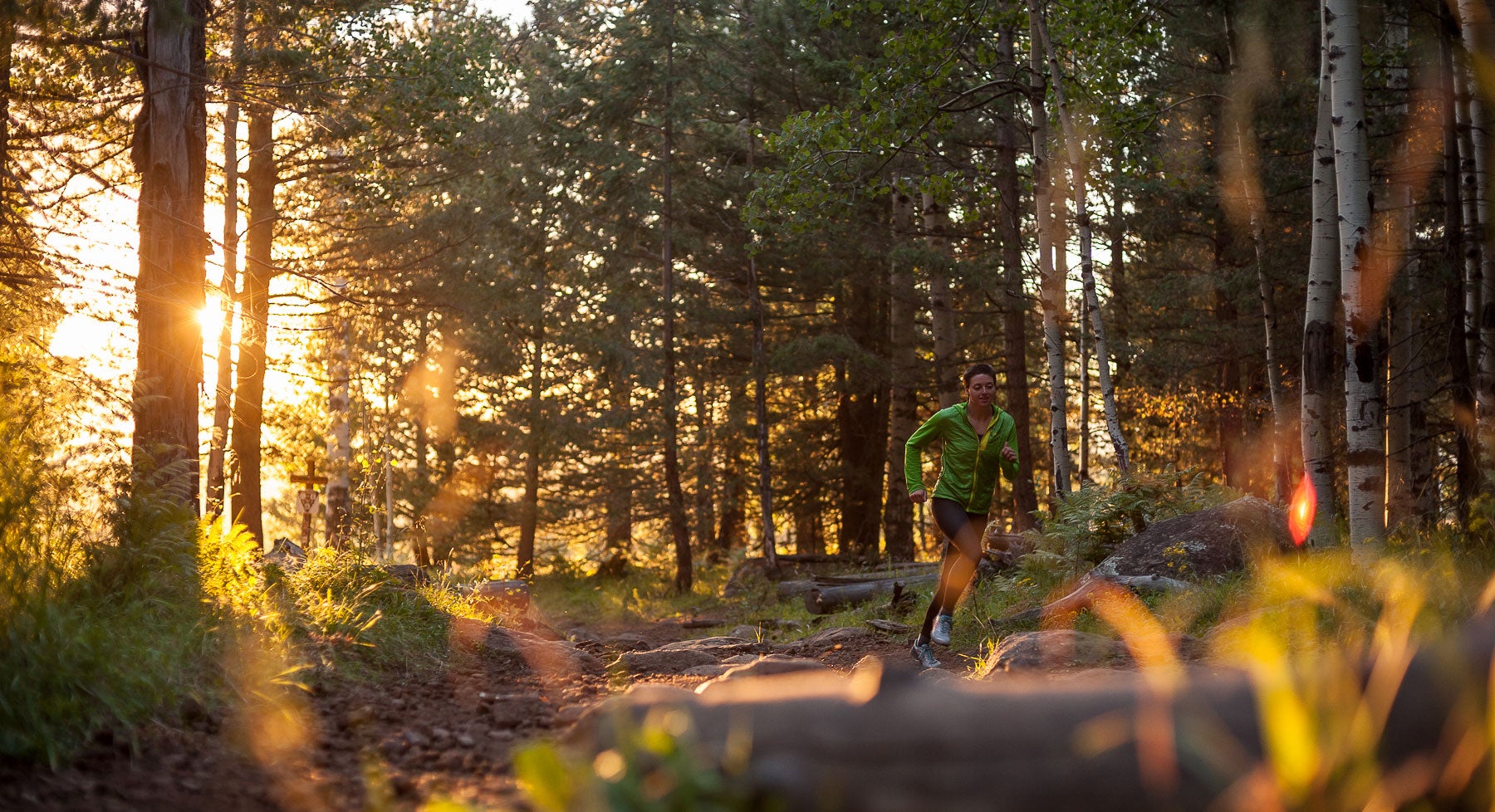
Photo by Jessica Dorow
Earth Day is a celebration of awareness—of our planet, the environment and how our actions and practices impact it. Hopefully we are always keeping our impact in mind as we move through life, but sometimes we need a holiday to remind us to pay attention to how we affect the places we inhabit—and it’s a good excuse to leave work early and play outside, too!
Here are five ways to mindfully reduce your environmental impact while on the trails.
1. Fuel for Thought
Long distance runners need fuel on the trails, and we certainly love our run-ready options. The individual packaging adds up though, and winds up in the garbage—or worse, on the trail. It goes without saying that we should pack out every scrap of plastic and tin foil that we bring onto the trails with us. However, even if your gel packets and bar wrappings end up at home in the trash can, there is still a massive waste impact. Meaning, those individual wrappers all accumulate in a landfill… and no, they do not disappear.
Try buying whole foods in bulk and making your own fuel, sans environmentally damaging packaging. If you are using plastic bags, remember that they can be washed and reused many times! Check out our Gourmet Dirtbag series for eco (and gut) friendly recipes that you can easily pack on your long runs, without all the waste.
ADVERTISEMENT
2. Proper Pooping
No one likes to talk about it, but everyone does it—and it happens to be one of the more significant impacts that runners have on their environment. Both human and pet fecal matter pose serious environmental concerns that many runners are unaware of. It attracts insects and animals, it can introduce foreign nutrients and even invasive seeds to a fragile area and poop, regardless of who it came from, ends up in waterways once the rain falls—causing contamination issues like E. Coli outbreaks. To deal with the inevitable, follow these guidelines to reduce your impact.
- Go before you run! Seriously, make an effort.
- Prepare. If you have a dog with you, don’t even think about leaving without poop bags and a way to carry it out, even if you’re deep in the woods. As far as your human pet goes, if you want to truly leave no trace, bring a bag for yourself as well.
- If the previous options are not available to you, generally, the best practice is to bury it. This means finding a stick, rock or whatever is around to use as a trowel. Running with trekking poles? Perfect! You have a makeshift shovel! Do NOT just go under a rock—if you have ever been the poor soul to pick up a soiled boulder, you will understand. Your cat-hole must be between four and six inches deep and at least 200 feet away from a waterway. Wipe with natural materials like a smooth stone or stick, and bury it along with your deposit. If you absolutely must use TP… know that burying it will not make it decompose at the same rate as fecal matter. And do not start a forest fire by burning it like the cyclist in 2015. Pack it out if possible or avoid it altogether. There are products on the market, such as Fab Little Bags that are opaque, sealable, biodegradable bags that work well for sealing up your TP and carrying it discreetly on your way home.
And if you bag your dog’s poo, finish what you started and carry it all the way out with you. Doggie poop is no less impactful if left in the wilderness inside a plastic bag. In fact, it is worse. Pack it out, y’all.
3. Gadgets and Gear
Most of the running gear we use will eventually wear out. Do you know when that point has been reached, though? There is a very big difference between replacing broken down gear and keeping up with the next season’s fad. By reducing our consumption, we reduce the amount of waste that we produce, and we can avoid huge environmental impacts from both the production line and the landfill.
Ask yourself the need versus want question. Do you want this or do you need this? Chances are, you need less than you initially think. If you do need new gear, opt for environmentally friendly and durable companies that create less waste during production and create a longer lasting product. Many kit brands are starting to pay attention to consumer’s desire for responsible practices and products. Do a bit of research on the next brand you’re buying for whether they’re walking the walk. Here are 4 we recently reviewed that are taking the first step.
Related: Topo Athletic is donating 100% of sales to The Conservation Alliance on Earth Day.
ADVERTISEMENT
4. Tender Loving Trail Care
Stay on the trails, plain and simple. Every time a runner avoids a mud puddle by jaunting off trail, that trail becomes a little bit more eroded. This impact may seem minimal, but if every hiker and runner pulls the same maneuver, especially on high-traffic areas or during a race, the trail can widen significantly over time. This ultimately widens the scope of human impact, creates more work for trail crews and leads to increased erosion.
Better yet, volunteer with the National Trails System to help maintain and build trails. A little TLC is the least we can do for the trails that carry us during our favorite pastime!
5. Run Local
There is a great irony in driving long distances for a trail run. Think about it: I am going to drive my fossil-fuel-burning-toxic-fume-farting-machine (car) to this amazing trailhead a few miles (or hours) away, so that I can get some fresh air. Something sounds off, right?
Driving a car may be the reality of our culture, particularly with the popularity of runners living in their vehicles; moreover, many of us live in areas that host no trails at all, and traveling is a requirement to even get a taste of nature. However, there are many ways to reduce your carbon footprint:
- Go for the multi-sport adventure and ride your bike to the trailhead.
- Group together errands by bringing your running gear with you when you have to drive somewhere anyways. Trails near the grocery store or office? Take advantage of the proximity and tie together the day’s activities with a sweaty bow.
- If you live within a few miles of a trail system, start out your front door and take advantage of the added distance for your long training runs. Better yet, just sell your car and start running everywhere as your primary form of transportation.
—Jacky is an avid trail runner, mountain guide and environmentalist.